The process of creation is not always easy. Sometimes it can be long; sometimes it can be an intense storm that rises quickly and settles just as quickly once it has fulfilled its purpose. The creative process is flowing and fluid, even though it may at times include pauses, silence — sometimes even long periods of it.
Sometimes a piece of writing or a composition remains in a desk drawer, or a painting rests in the farthest corner of the studio, “unfinished.” In quotation marks — because what is finished? Who defines that? Unfinished symphonies have been performed after the composer abandoned them.
The creative process can be deeply demanding, both mentally and physically. Many artists, after completing a magnificent work, have declared, “I have nothing more to give; I cannot do better than this.” And the creating stops. Until it begins again, when a new wave of creation starts to rise.
What Is It?
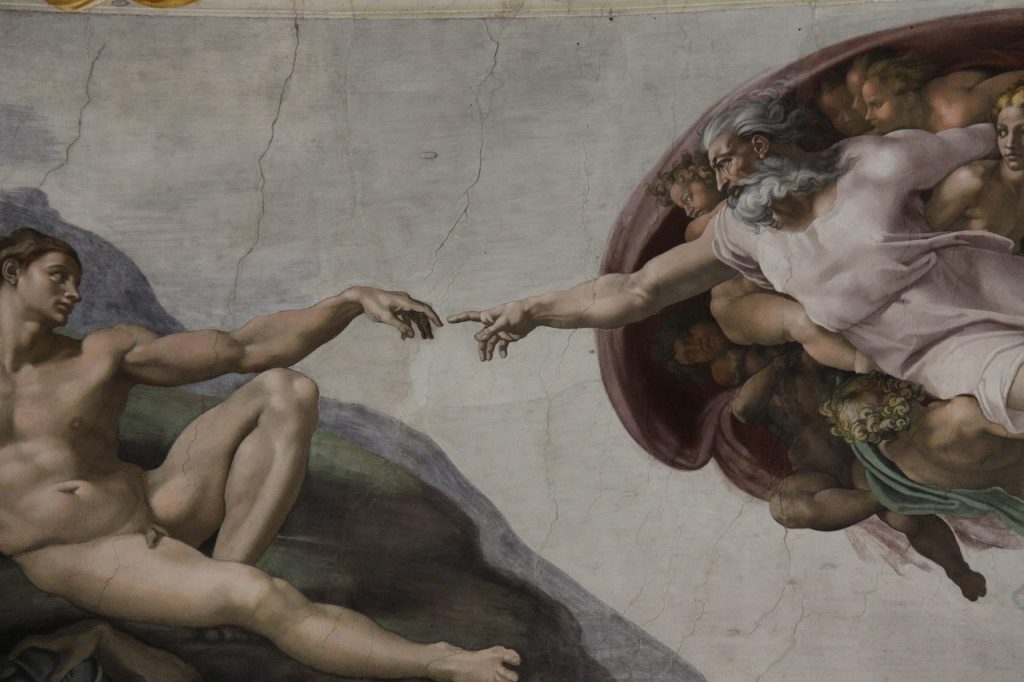
There is something present in the creative process that is not easily defined. What is it that makes a painter return again and again to the brush, creating impressions, depictions, landscapes on the canvas? What brings a composer back to the staff lines to arrange black dots and lines into order? What moves a dancer’s body to express something, even when there is no soundscape in the background?
In expressive arts therapy, it is defined quite simply with the English word “it.” That — something that does not even need further definition. Yet it is, or at least can be, present in the moment when the artist surrenders to the material and becomes, in a sense, an instrument.
“It” does not always appear, nor can it be pursued directly; in fact, it rarely manifests when deliberately chased.
“It” makes something from a realm we cannot perceive on the physical level in ordinary consciousness become visible, audible, tangible here in this physical world. “It” opens possibilities we did not even know existed until we surrender to the creative flow.
“Who is speaking through my mouth / painting with my hands?” may be a recognition of the presence of “it.” (This experience should not be confused with possession or dissociative identity disorder.)
But I Am Not an Artist…
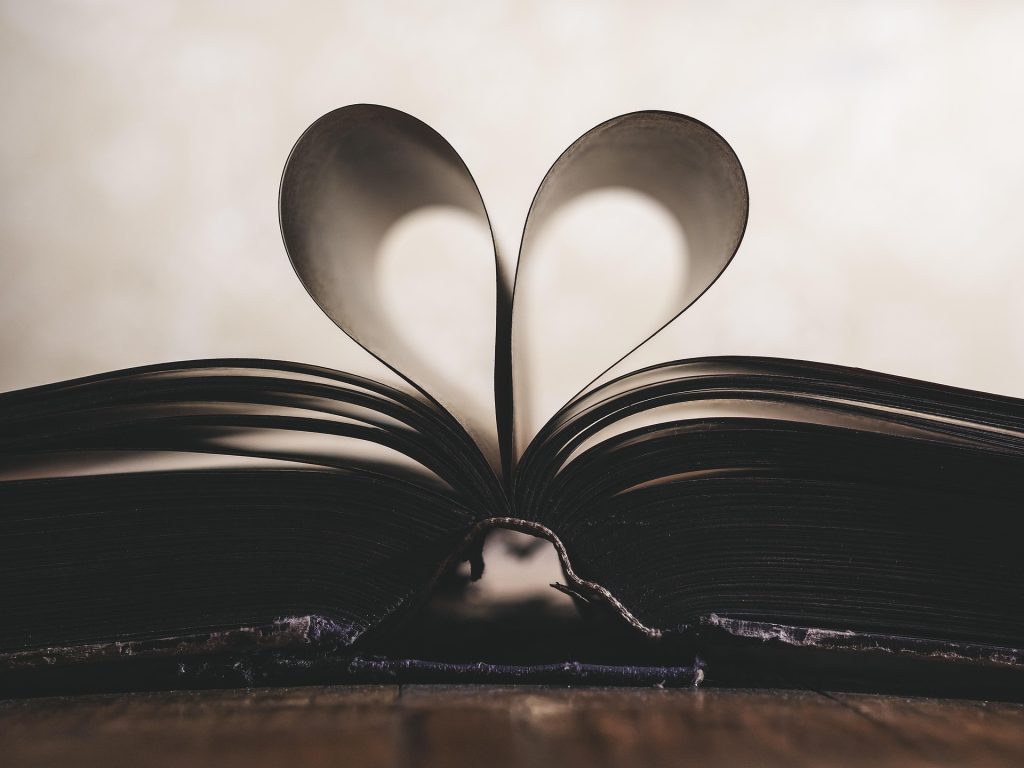
Not all of us are artists — at least not professionally. Creating art can take many forms. I know a couple of culinary artists. For them, cooking is a creative act that unfolds in the moment, guided by subtle sensing. No measurements are needed when the right balance of ingredients is literally at their fingertips and on the tip of their tongue. By smelling and tasting, they know what needs to be added, what does not belong.
Both of these culinary artists are also meticulous about the aesthetic outcome: the food is beautifully presented, and often the master personally plates each serving so that every portion looks beautiful to each guest.
Cleaning can also be a creative act — even a form of artistic expression. Nothing prevents you from playing music while vacuuming, music that lifts the atmosphere to the ceiling and makes your dancing foot twitch.
When painting, you do not need to “know” anything. You can simply spread color onto a surface and observe, with curiosity and wonder, how it behaves. This is something I often remind my clients of in art therapy.
The joy of making art belongs to everyone, regardless of skill level.
Trust the Process

What is essential in the unfolding of the artistic process is trust in the process itself. Trust that the creative process will carry you.
The creative process does not follow the guidelines set by the rational mind. The current of creativity flows freely, like an explorer — unless obstacles are placed in its path. Even when moments of stillness arise, moments of so-called “emptiness,” creativity sometimes requires these as well.
Trust that the pause is not empty; at times it is profoundly necessary. Something is incubating, ripening, taking shape — even when it appears that nothing is happening. The creative process guides its maker, if you surrender to it.
Trust The Process is a book written by one of the pioneers of expressive arts therapy, the American Shaun McNiff. In it, he beautifully opens up the meaning of creativity and how creativity can be brought into everyday life — by anyone.
I will write a more detailed review of the book in the near future. Until then: Trust the process.
Explore — and share in the comments: How could you surrender to the creative process yourself?