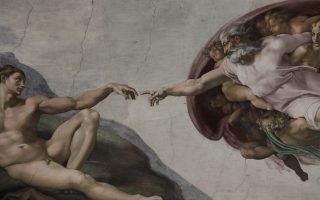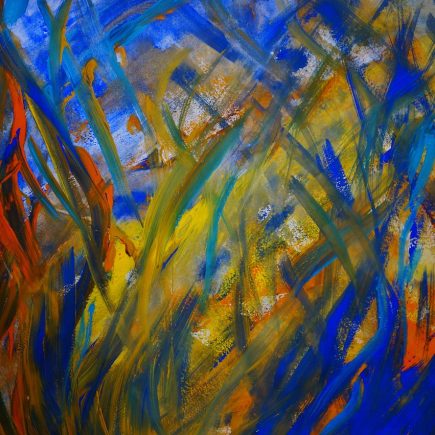
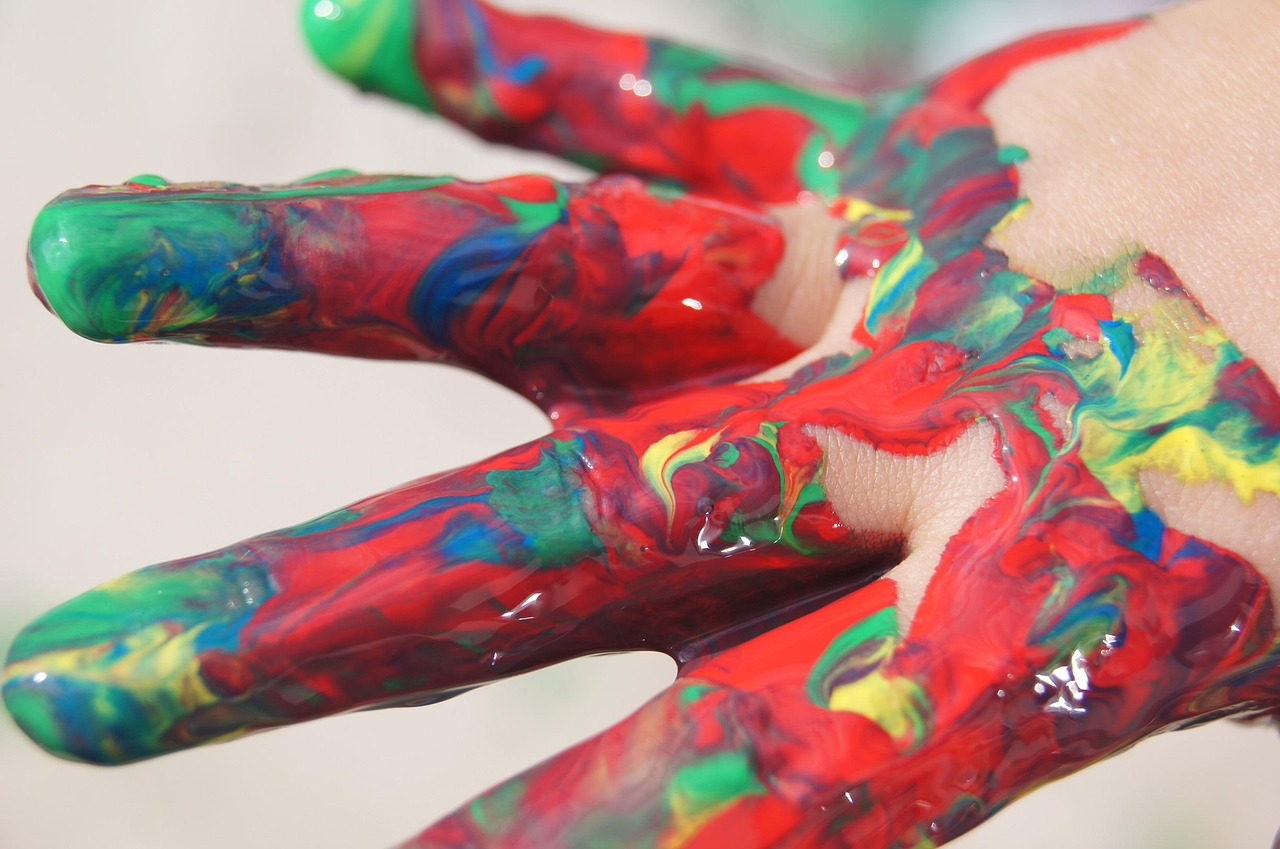
Expressive arts therapy is a multimodal, interdisciplinary, and experiential form of therapy in which means of self-expression can include image making, movement expression, sound, writing, and imagination. What matters is not the end result, but the opportunity for a person to explore their inner world and experiences without pressure to perform or fear of judgment.
At the heart of this approach is the idea that everyone carries within themselves the knowledge of what they need in order to feel better. This inner knowing becomes accessible when we move beyond the level of pure reason and logic, making space for the wisdom of the body, the senses, and creativity — through presence and attentive exploration of what emerges.
Background and founders
The field of expressive arts therapy (EXA) emerged in the 1980s. Its development was significantly shaped by:
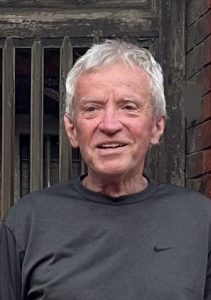 Shaun McNiff, who emphasized the importance of the process itself and the healing power of creativity.
“Whenever illness is associated with loss of soul, the arts emerge spontaneously as remedies, soul medicine.”
from Art as Medicine
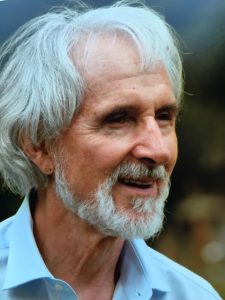 Paolo Knill, who strongly highlighted the idea of multimodality: that moving from one art form to another opens up new perspectives.
“We recognized the role of imagination and ritual that is shared between contemporary psychotherapies and all ancient traditions. It was also evident that the arts are the bridging existential phenomena that unite ritual, imagination and dream-world in a way that no other activity can do.” -from Foundations of Expressive Arts Therapy
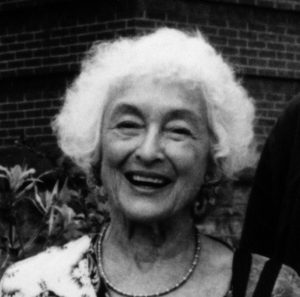 Norma Canner, who emphasized the importance of movement and bodily expression, and whose work highlighted the healing potential of playfulness, improvisation, and presence.
“The body has a memory and if you’re working in therapy and you move, it will just come out and you can work with it and it begins to heal. You can’t defend that place the way you can in verbal therapy.”
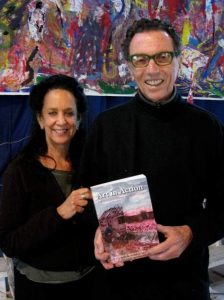 Stephen K. Levine and Ellen Levine, who deepened the theoretical and philosophical foundations of the field, writing extensively about the transformative power of expression, the role of imagination and ritual, and the idea that suffering can find form and meaning through creative process.
“The task of therapy is not to eliminate suffering but to give a voice to it, to find a form in which it can be expressed. Expression is itself transformation; this is the message that art brings. The therapist then would be an artist of the soul, working with sufferers to enable them to find the proper container for their pain, the form in which it would be embodied.” -Stephen K. Levine
What these pioneers share is the idea that the very act of making art itself — without the need to explain or analyze everything — and the attentive exploration of what emerges can open a path to a deeper understanding of oneself.
Expressive arts therapy does not rely on any existing framework of psychotherapy; instead, it stands as an independent theoretical approach in its own right.
Embodiment, sensory awareness, creativity, and presence

In expressive arts therapy, the work takes place primarily in the realms of embodiment, the senses, and imagination — not solely on the level of words or rational thought.
Embodiment: Through movement expression, touching materials, and breathing, feelings and memories can come to the surface — ones that can’t be reached through thinking alone.
Sensitivity: Colors, shapes, textures, rhythms, and sounds touch us on a deep level, and mindful observation in a state of presence has a holistic impact.
Creativity: The creative process allows us to journey to places that logical thinking and reasoning cannot reach, and to discover insights — often in ways that cannot be predicted in advance
“Low skill – high sensitivity” is essential in this work. As I often tell my clients: “You don’t need to know how to do anything — the desire to create and a spark of curiosity is enough!”
Inner knowledge and becoming aware

One of the core principles of expressive arts therapy is the idea that each person holds the deepest knowledge of their own well-being. Creative and embodied work doesn’t offer ready-made answers; instead, it helps us hear our own inner voice — what feels true and meaningful to us.
Observing what emerges in each moment and being present with these phenomena — whether they are feelings, thoughts, or bodily sensations — allows meaning to reveal itself in its own way, free from external definitions or norms.
The creative process and surrendering to its flow can bring subconscious thoughts and beliefs to awareness, ones that may stand in the way of our growth. Often, it also opens up new perspectives. The goal isn’t to “heal” or “fix” — rather, the person is already whole and complete just as they are; what can shift is our perspective on events and on ourselves.
In closing
Expressive arts therapy doesn’t ask, “Are you skilled?” or “Are you good enough?” Instead, it invites you to pause and listen to yourself, and to explore life in a way that goes beyond conversation alone. It is a journey away from the realm of pure reason and logic, toward embodiment, sensory experience, and living inner knowing.
If this sparked your curiosity to try expressive arts therapy, take a look at my online course and live workshops — available both remotely and in person!